The Hibiscus Flower "Red Gold" Trade
If you've ever had a cup of hibiscus tea, you already know the two things that stand out about it: the colour and the taste; an almost wine-red colour that tastes closer to cranberry than to anything floral.
The part used to make that tea isn't actually the flower. It's the calyx; the small, fleshy red pod left behind after the petals fall off. Once it's harvested and dried, that calyx is what gets sold, brewed, and increasingly, processed into ingredients used in medicine, skincare, and food manufacturing around the world.
And a large share of the highest-quality calyx on the global market is grown in northern Nigeria.
What's Actually in the Plant
The deep red colour of the calyx comes from a group of natural plant compounds called anthocyanins. [1] They're the same family of pigments that give blueberries, red cabbage, and dark grapes their colour. In plants, anthocyanins act partly as a natural sunscreen and stress response; they build up more heavily when the plant is exposed to strong sunlight and dry conditions, which is part of why hibiscus grown in hot, dry climates tends to be more deeply coloured than hibiscus grown elsewhere.
Public interest in hibiscus tea has grown steadily in recent years, largely on the back of the same blood pressure and antioxidant research [2] that will be covered below. This growing strain proves a continued customer increase.
Why "Red Gold"?
The nickname isn't just about the colour; it's about what that colour actually signals. The deeper and more consistent the red in a batch of dried hibiscus, the higher its anthocyanin content, and the higher its anthocyanin content, the more effective and more valuable it is for nearly every use described above. A pale, inconsistent batch might still work fine for a basic tea blend, but it won't hold up to the standards a pharmaceutical or colourant manufacturer needs, where the calyx is essentially being purchased for its chemistry, not its appearance.
In other words: colour is a shortcut for quality in this crop, in almost the same way that clarity and cut are shortcuts for quality in a diamond. That link between colour and value is exactly why "red gold" caught on as a description for hibiscus in trade circles.
While this easily stands as a quality control parameter, it is also where growing conditions matter more than most people realize. Since anthocyanins build up as a plant's response to sun and dry stress, hibiscus grown in a long, intense dry season tends to develop richer colour and higher anthocyanin concentration than hibiscus grown in milder or wetter climates.
The result is a hibiscus crop that consistently tests higher on the exact metrics that matter to international buyers: colour depth, anthocyanin concentration and low moisture content, which is a large part of why Nigerian hibiscus has become the reference point other growing regions get measured against.
What Hibiscus Does in the Body
Set aside the marketing claims for a moment, because the genuinely interesting part is what's been tested and repeated in real studies.
It helps lower blood pressure: This is the most well-studied effect of hibiscus. In multiple clinical trials, people who regularly drank hibiscus tea or took a standardized hibiscus extract saw measurable drops in their blood pressure; in some cases, the effect was strong enough to be compared to mild prescription blood pressure medication. Researchers believe the anthocyanins are behind this, helping blood vessels relax and helping the body release excess sodium. [2]
It supports healthy cholesterol levels: Several studies have found that regular hibiscus consumption is linked to lower LDL cholesterol, the kind associated with heart disease risk. The evidence isn't as strong or consistent as the blood pressure research, but it's a pattern that keeps showing up. [3]
It supports liver health: Early research, mostly in animals so far, suggests hibiscus extract may help protect the liver and reduce fat buildup in liver tissue. Human research on this is still limited, but it's an active area of study.
It's a strong source of antioxidants: Antioxidants help the body deal with everyday cellular stress caused by things like pollution, poor diet, and normal aging. Hibiscus's polyphenol and anthocyanin content gives it one of the higher antioxidant profiles among commonly consumed teas and botanicals, which is part of why it keeps showing up in wellness products far beyond tea.
In nutraceuticals, the category of supplements and functional foods built on health claims, hibiscus extract is standardized to a specific anthocyanin concentration and sold in capsule and tincture form, usually marketed around heart health and antioxidant support. Standardizing it this way lets manufacturers guarantee a consistent dose, something you can't do with a loose cup of tea.
In pharmaceuticals, that same standardized extract has gone a step further. Because the blood-pressure-lowering effect has held up so consistently across clinical trials, hibiscus extract has been formulated into actual pharmaceutical compositions, filed and patented as active ingredients alongside a pharmaceutically approved carrier, rather than sold only as a loosely regulated supplement.
In cosmetics, the antioxidant strength of hibiscus extract has earned it a spot in anti-aging skincare, where it's sometimes described as a gentler, plant-based alternative to retinol.
In food manufacturing, concentrated hibiscus extract is used as a natural red dye, a way for beverage and confectionery companies to replace synthetic food colouring with something plant-based, which has become increasingly important as more countries tighten rules around artificial additives.
Four very different industries, all drawing on the same handful of compounds. That's a fairly unusual thing for a single crop to support.
Why Quality Control Still Matters After Harvest
Producing the right supplements or medication from hibiscus depends on using the right kind.
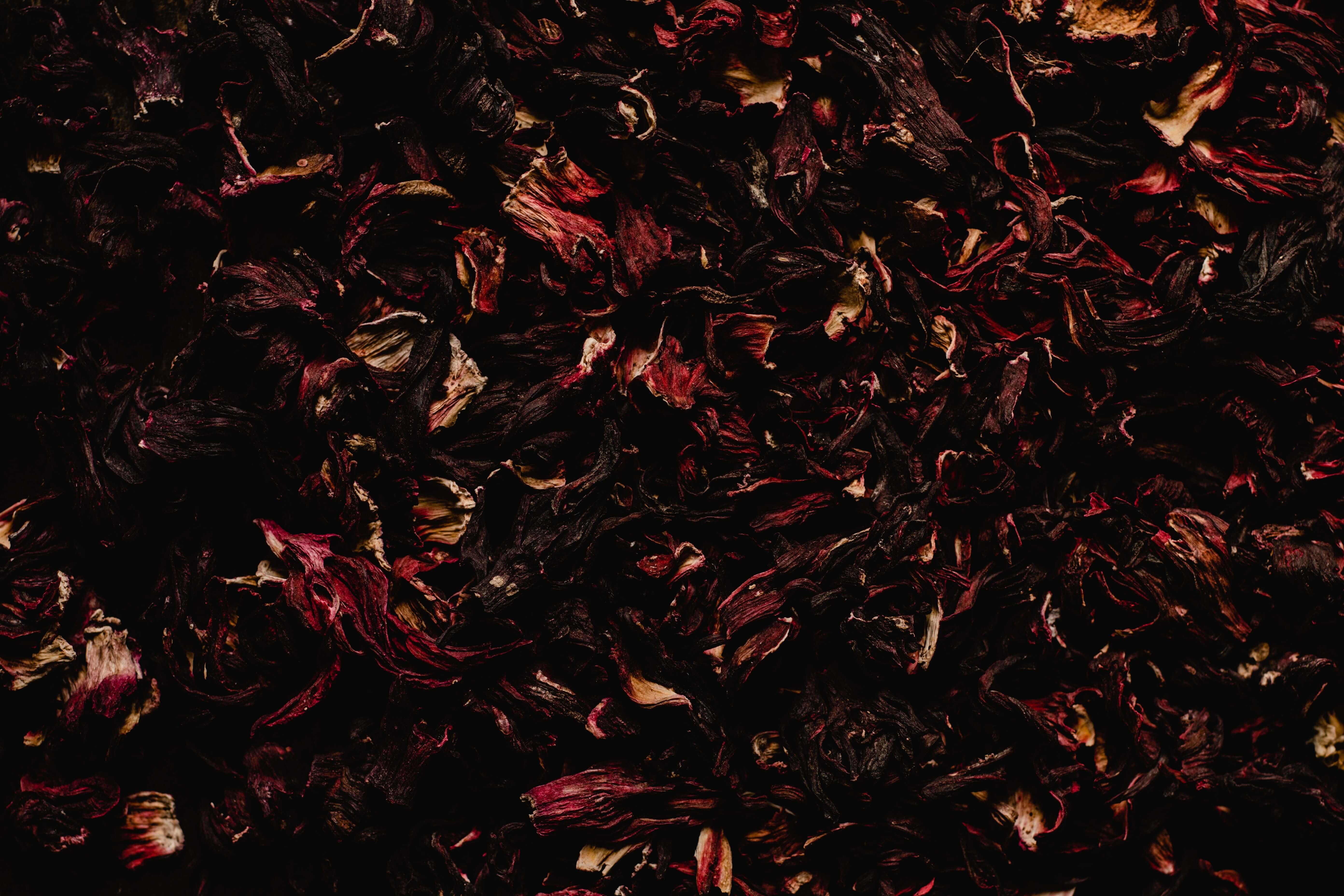
Only a few people or farming zones are able to maintain a consistent growth quality. Anthocyanins are sensitive to heat, light, and moisture, which means two batches that look similar on the outside can carry very different active compound levels depending on how carefully they were dried, stored, and handled after harvest.
At BlueWaters, we treat that handling stage as seriously as the growing stage. Every batch is graded for moisture content, colour depth, and cleanliness before processing, with pesticide residue testing carried out against international standards, including the EU's, before shipment. That combination, the right growing region plus careful post-harvest handling, is what keeps the chemistry described throughout this article actually intact by the time a shipment reaches a buyer.
Sourcing Nigerian Hibiscus Through BlueWaters
For companies building tea blends, nutraceutical extracts, natural colourants, or skincare formulations around hibiscus, the plant's benefits are only as reliable as the raw material behind them. BlueWaters supplies high-purity dried hibiscus calyx sourced directly from growing communities across Nigeria, graded for moisture, colour, and cleanliness, and tested against international MRL standards before shipment.
If your business needs a reliable, well-documented source of high-purity hibiscus, our export team can provide specification sheets, samples, and shipment scheduling.
Request a Hibiscus Specification SheetReferences
- [1]Ademiluyi AO, Oboh G, Agbebi OJ, Akinyemi AJ. Anthocyanin-Rich Red Dye of Hibiscus sabdariffa Calyx Modulates Cisplatin-induced Nephrotoxicity and Oxidative Stress in Rats. Int J Biomed Sci. 2013 Dec;9(4):243-8. PMID: 24711761; PMCID: PMC3884795. pmc.ncbi.nlm.nih.gov
- [2]McKay DL, Chen CY, Saltzman E, Blumberg JB. Hibiscus sabdariffa L. Tea (Tisane) Lowers Blood Pressure in Prehypertensive and Mildly Hypertensive Adults. The Journal of Nutrition, Volume 140, Issue 2, 2010, Pages 298-303.
- [3]Lin TL, Lin HH, Chen CC, Lin MC, Chou MC, Wang CJ. Hibiscus sabdariffa extract reduces serum cholesterol in men and women. Nutrition Research, Volume 27, Issue 3, 2007, Pages 140-145.